



What Features Make a Forex Broker Worth Considering?
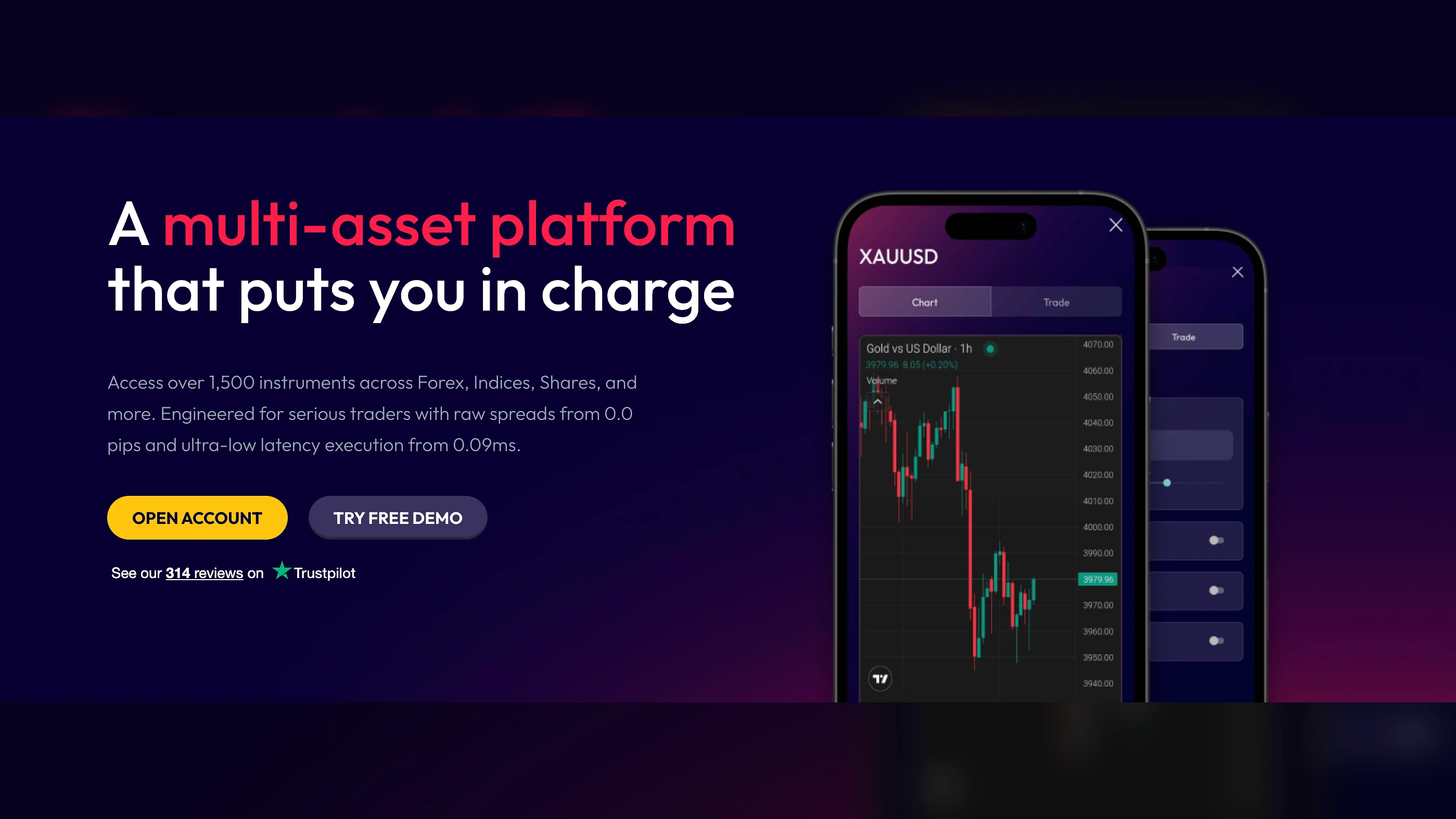


Choosing a forex broker is one of the most consequential decisions you'll make as a trader. The market is full of options, and not all of them deserve your trust or your capital. Some brokers attract traders with flashy promotions but fall short on the basics. Others provide and a polished platform but hide costs in places you won't easily notice. So, what actually separates a broker worth your time from one you should avoid? This guide walks you through the key features to evaluate before committing to a trading account.
Regulatory Compliance and Fund Security
Regulation is the foundation of any trustworthy relationship with a forex broker. Before you look at spreads, platforms, or leverage, you need to confirm that a broker is regulated by a recognized financial authority. Regulated brokers must follow strict rules around client fund segregation, financial reporting, and fair trade execution. Without this layer of accountability, your capital has no real protection.
For example, Taurex Forex broker, IG, Saxo Bank, Pepperstone, and CMC Markets operate under regulatory frameworks that separate client funds from the company’s own operational funds. This practice means that even in the unlikely event of a broker's insolvency, your money stays protected in a segregated account.
Beyond fund segregation, look for brokers that provide negative balance protection. This feature prevents your account from falling below zero during extreme market volatility, which is especially useful if you trade with leverage. Always verify a broker's license number directly on the relevant regulatory body's website. Don't rely solely on what a broker's marketing materials tell you.
Trading Costs: Spreads, Commissions, and Fee Transparency
Every trade you place has a cost attached to it, and those costs add up fast. The two primary sources of trading costs are spreads and commissions. The spread is the difference between the buy and sell price of a currency pair, and it represents an immediate cost the moment you enter a trade. Some brokers charge a flat commission per lot instead, often paired with tighter raw spreads.
Neither model is inherently better. What matters is the total cost per trade relative to your trading style. Scalpers and high-frequency traders tend to prefer low spreads with small commissions because they open and close many positions in a short period. Swing traders, on the other hand, may find that slightly wider spreads with no commission structure costs them less overall.
Beyond spreads and commissions, check for hidden fees. Overnight swap rates, inactivity fees, deposit and withdrawal charges, and currency conversion costs can quietly erode your returns. A trustworthy broker presents all these costs clearly before you open an account. If the fee structure is buried or confusing, that's a signal worth taking seriously.
Trading Platforms and Execution Quality
Your trading platform is where strategy meets execution, and its quality directly affects your results. A good platform has provides fast order execution, minimal slippage, and a clean interface that doesn't get in your way during fast-moving markets. The most widely used platforms in retail forex are MetaTrader 4 and MetaTrader 5, both known for their stability, extensive charting tools, and support for automated trading through Expert Advisors.
But platform availability alone isn't enough. Execution quality matters just as much. A broker that requotes frequently or fills orders at prices far from what you requested will cost you money regardless of how low their spreads appear on paper. Look for brokers that use straight-through processing (STP) or electronic communications network (ECN) execution, as these models reduce the potential for conflict of interest between you and the broker.
Also consider whether the broker provides a mobile platform that matches the desktop experience. Many traders manage positions on the go, and a limited or buggy mobile app can become a real problem in time-sensitive situations.
Available Currency Pairs and Market Access
A forex broker's instrument library tells you a lot about who they're built for. At a minimum, a solid broker provides all the major currency pairs: EUR/USD, GBP/USD, USD/JPY, AUD/USD, and others that make up the highest-volume segment of the market. Beyond the majors, access to minor and exotic pairs gives you more flexibility to diversify your strategies or capitalize on regional market movements.
Plus, to forex pairs, many modern brokers now provide access to CFDs on commodities, indices, equities, and cryptocurrencies. This broader access lets you manage a diversified portfolio within a single trading account, which is a practical advantage for traders who don't want to juggle multiple platforms.
That said, more isn't always better. A broker that lists hundreds of instruments but provides poor liquidity on most of them isn't doing you any favors. Focus on whether the instruments you actually plan to trade are available with competitive pricing and consistent execution, rather than being impressed by a long list of assets you'll never use.
Deposits, Withdrawals, and Account Requirements
The ease of moving money in and out of a trading account matters more than many traders realize until there's a problem. A good broker supports multiple deposit and withdrawal methods, processes requests within a reasonable timeframe, and doesn't impose excessive fees on transactions. Common methods include bank transfers, credit and debit cards, and digital payment solutions.
Pay attention to minimum deposit requirements as well. Some brokers set the bar very low to attract beginners, while others target experienced traders with higher minimums. Neither approach is inherently wrong, but you should choose a broker whose account structure aligns with your actual capital level and goals.
Withdrawal processing time is another area worth scrutiny. A broker that approves withdrawals quickly and without unnecessary friction demonstrates financial stability and good operational standards. Delays or unexplained holds on withdrawals are a red flag that shouldn't be dismissed. Before you deposit, take the time to read other traders' experiences with the broker's withdrawal process.
Customer Support and Educational Resources
No matter how experienced you are, you'll eventually need to contact your broker's support team. Whether it's a technical issue, an account query, or a transaction problem, the quality of support you receive can make or break your experience. Look for brokers that provide multiple support channels, including live chat, email, and phone, with reasonable response times and knowledgeable staff.
Availability matters too. Forex markets operate 24 hours a day, five days a week, so your broker's support should reflect that schedule. A support team that only works regular business hours in one time zone is a disadvantage if you trade during off-peak periods.
On the educational side, brokers that invest in trader development tend to attract more serious traders and retain them longer. Access to webinars, trading guides, market analysis, and demo accounts shows that a broker values long-term relationships rather than short-term sign-ups. For newer traders, especially, a strong educational library can accelerate the learning curve significantly and reduce early mistakes.
Conclusion
A forex broker worth your consideration earns that status across multiple dimensions, not just one or two standout features. Regulation protects your funds. Fair pricing respects your capital. Good execution turns your strategy into real results. Hence, take the time to evaluate each of these factors before you commit. The right broker doesn't just give you access to the market: it gives you the foundation to trade with confidence.